The North Carolina Education Innovation Lab 2026 | Tailored Learning

The Journey to Success Is Not the Same for Every Student.


Proin efficitur ornare nunc, et suscipit risus malesuada faucibus. Sed quis justo quis sapien vehicula pretium.

Jessica Charles

Lorem ipsum dolor sit amet, consectetur adipiscing elit. Nunc a mi efficitur est condimentum eleifend. Curabitur nisi nulla, faucibus vitae tempor id, pretium in ante. Pellentesque fermentum convallis tellus, ac dignissim justo sagittis sed. Duis lorem eros, egestas quis nulla vel, fermentum ultricies lectus. Vestibulum laoreet tellus vel tristique ullamcorper. Aliquam ut nunc varius, pharetra purus non, placerat orci. Nunc pulvinar leo at arcu tincidu lorem ipsum dolor.

Jessica Charles

Lorem ipsum dolor sit amet, consectetur adipiscing elit. Nunc a mi efficitur est condimentum eleifend. Curabitur nisi nulla, faucibus vitae tempor id, pretium in ante. Pellentesque fermentum convallis tellus, ac dignissim justo sagittis sed. Duis lorem eros, egestas quis nulla vel, fermentum ultricies lectus. Vestibulum laoreet tellus vel tristique ullamcorper. Aliquam ut nunc varius, pharetra purus non, placerat orci. Nunc pulvinar leo at arcu tincidu lorem ipsum dolor.

Proin efficitur ornare nunc, et suscipit risus malesuada faucibus. Sed quis justo quis sapien vehicula pretium.

  • orem ipsum dolor sit amet, consectetur adipiscing elit.
  • Integer lobortis libero sed metus imperdiet, eget dignissim odio dictum.
  • Fusce vitae risus volutpat, finibus velit nec, ultrices odio.
  • Nullam condimentum ex in felis iaculis, et molestie ex dignissim.
  • Etiam rutrum velit eu odio dapibus tristique.
  • Curabitur id sapien tristique, egestas justo non, ultrices nibh.
  • In aliquam nisl lacinia scelerisque elementum.
  • Proin sed turpis sodales, rhoncus purus tincidunt, tristique lorem.
  • Integer auctor felis a malesuada euismod.
  • Phasellus tincidunt justo vel dictum lacinia.
  • Curabitur facilisis libero blandit lobortis tincidunt.
  • Sed dignissim ipsum egestas, convallis dolor vitae, molestie magna.
  • Pellentesque facilisis nulla id sodales scelerisque.
  • Integer faucibus ligula rutrum fringilla porttitor.
  • Phasellus egestas risus sit amet scelerisque imperdiet.
  • Nunc vitae velit eleifend nulla pharetra feugiat feugiat non ligula.
  • Donec posuere odio ut augue elementum, nec iaculis metus egestas.
  • Fusce ac ipsum at enim dignissim congue a bibendum erat.
  • Curabitur eleifend justo quis viverra blandit.
  • Morbi vitae ligula pharetra, interdum nunc sed, convallis neque.

Meet the planning Team

The North Carolina Education Innovation Lab represents the collected time, effort, and perspectives of professionals from across North Carolina’s education, workforce, legislative, and business communities.

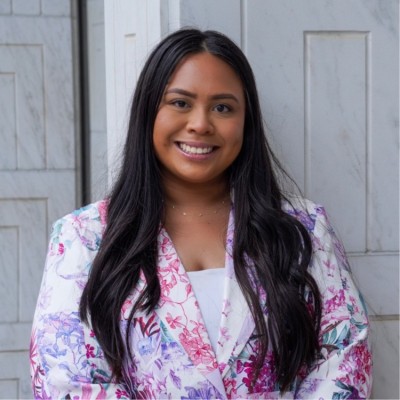
Rachel Candaso

2025 Burroughs Wellcome Fund North Carolina Teacher of they Year, Pitt County Schools

Rachel Candaso is the 2025 Burroughs Wellcome Fund North Carolina Teacher of the Year, representing Pitt County Schools and the Northeast Region. She serves as the AVID Site Coordinator and elective teacher at Wellcome Middle School, where she leads schoolwide implementation of AVID strategies to expand college and career readiness for students. Born and raised on Guam and a graduate of Arizona State University, Rachel’s experiences as a first-generation college student fuel her commitment to expanding opportunity through public education. She also serves as a State Board of Education Advisor and Chair of Governor Stein’s Teacher Advisory Council, where she elevates educator voices in shaping statewide education policy. A Teach For America alumna and Kenan Fellow, Rachel is dedicated to building strong partnerships between schools, communities, and industry to ensure every student is prepared for the future.

Rachel Candaso is the 2025 Burroughs Wellcome Fund North Carolina Teacher of the Year, representing Pitt County Schools and the Northeast Region. She serves as the AVID Site Coordinator and elective teacher at Wellcome Middle School, where she leads schoolwide implementation of AVID strategies to expand college and career readiness for students. Born and raised on Guam and a graduate of Arizona State University, Rachel’s experiences as a first-generation college student fuel her commitment to expanding opportunity through public education. She also serves as a State Board of Education Advisor and Chair of Governor Stein’s Teacher Advisory Council, where she elevates educator voices in shaping statewide education policy. A Teach For America alumna and Kenan Fellow, Rachel is dedicated to building strong partnerships between schools, communities, and industry to ensure every student is prepared for the future.

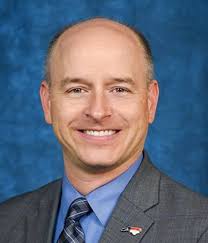
Geoff Coltrane

Senior Director of Government Affairs, North Carolina Department of Public Instruction

Geoff Coltrane comes to the NC Department of Public Instruction from the NC Governor’s office, where he served as deputy public policy director and senior education advisor under Governor Cooper. In this role, according to the press release, he advised the governor and senior staff on K-12 and postsecondary education policy issues and served as the governor’s primary liaison to the State Board of Education, NC Community College System, UNC System, and other K-12 and postsecondary stakeholders. In addition to roles with the NC School of Science and Mathematics and the Hunt Institute, Coltrane spent five years in the classroom as a kindergarten and first grade teacher at Forest View Elementary School in Durham Public Schools. Coltrane earned a master’s degree in public policy from Duke University and bachelor’s degrees in elementary education and history from UNC-Chapel Hill.

Geoff Coltrane comes to the NC Department of Public Instruction from the NC Governor’s office, where he served as deputy public policy director and senior education advisor under Governor Cooper. In this role, according to the press release, he advised the governor and senior staff on K-12 and postsecondary education policy issues and served as the governor’s primary liaison to the State Board of Education, NC Community College System, UNC System, and other K-12 and postsecondary stakeholders. In addition to roles with the NC School of Science and Mathematics and the Hunt Institute, Coltrane spent five years in the classroom as a kindergarten and first grade teacher at Forest View Elementary School in Durham Public Schools. Coltrane earned a master’s degree in public policy from Duke University and bachelor’s degrees in elementary education and history from UNC-Chapel Hill.

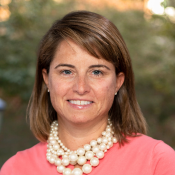
Dr. Jeni Corn

Social Sciences Research Director, North Carolina Collaboratory

Jeni Corn, Ph.D., is a dedicated education research and policy leader with extensive experience bridging academic research, evaluation, and practice to inform policy in North Carolina. Dr Corn currently serves as the Social Sciences Research Director with the NC Collaboratory, a research funding agency that partners with academic institutions and government entities to transform research into practical information and technologies for use by the State and local governments and the communities they serve.

Jeni Corn, Ph.D., is a dedicated education research and policy leader with extensive experience bridging academic research, evaluation, and practice to inform policy in North Carolina. Dr Corn currently serves as the Social Sciences Research Director with the NC Collaboratory, a research funding agency that partners with academic institutions and government entities to transform research into practical information and technologies for use by the State and local governments and the communities they serve.

Jamey Falkenbury

Strategic Initiatives Group, Apple

Geoff Coltrane comes to the NC Department of Public Instruction from the NC Governor’s office, where he served as deputy public policy director and senior education advisor under Governor Cooper. In this role, according to the press release, he advised the governor and senior staff on K-12 and postsecondary education policy issues and served as the governor’s primary liaison to the State Board of Education, NC Community College System, UNC System, and other K-12 and postsecondary stakeholders. In addition to roles with the NC School of Science and Mathematics and the Hunt Institute, Coltrane spent five years in the classroom as a kindergarten and first grade teacher at Forest View Elementary School in Durham Public Schools. Coltrane earned a master’s degree in public policy from Duke University and bachelor’s degrees in elementary education and history from UNC-Chapel Hill.

Geoff Coltrane comes to the NC Department of Public Instruction from the NC Governor’s office, where he served as deputy public policy director and senior education advisor under Governor Cooper. In this role, according to the press release, he advised the governor and senior staff on K-12 and postsecondary education policy issues and served as the governor’s primary liaison to the State Board of Education, NC Community College System, UNC System, and other K-12 and postsecondary stakeholders. In addition to roles with the NC School of Science and Mathematics and the Hunt Institute, Coltrane spent five years in the classroom as a kindergarten and first grade teacher at Forest View Elementary School in Durham Public Schools. Coltrane earned a master’s degree in public policy from Duke University and bachelor’s degrees in elementary education and history from UNC-Chapel Hill.

Rupen Fofaria

Director of Operations and Policy, North Carolina State Board of Education

Rupen Fofaria serves as the director of operations and policy for the North Carolina State Board of Education, where he supports the Board’s strategic planning and governance work to strengthen public education across the state. He previously reported on education policy for EdNC.org and is a licensed attorney with experience in corporate and intellectual property law. His work focuses on helping the Board navigate policy decisions that support public schools and the Department of Public Instruction’s ability to serve students, educators, and communities across North Carolina.

Rupen Fofaria serves as the director of operations and policy for the North Carolina State Board of Education, where he supports the Board’s strategic planning and governance work to strengthen public education across the state. He previously reported on education policy for EdNC.org and is a licensed attorney with experience in corporate and intellectual property law. His work focuses on helping the Board navigate policy decisions that support public schools and the Department of Public Instruction’s ability to serve students, educators, and communities across North Carolina.

Dr. Michael Maher

Chief Accountability Officer, North Carolina Department of Public Instruction

Michael Maher is the Chief Accountability Officer at the North Carolina Department of Public Instruction, where he leads the state’s accountability, testing, and research functions and oversees the Offices of Accountability and Testing and Research and Promising Practices. His work focuses on using data, evaluation, and evidence to inform statewide policy and improve student outcomes. Previously, he served as Deputy Superintendent of Standards, Accountability, and Research and as Executive Director of the Office of Learning Recovery and Acceleration, where he helped guide North Carolina’s academic recovery efforts and the implementation of major statewide initiatives. Maher began his career as a high school science teacher and later served in higher education as a faculty member at Saint Augustine’s University and assistant dean in the College of Education at NC State University.

Michael Maher is the Chief Accountability Officer at the North Carolina Department of Public Instruction, where he leads the state’s accountability, testing, and research functions and oversees the Offices of Accountability and Testing and Research and Promising Practices. His work focuses on using data, evaluation, and evidence to inform statewide policy and improve student outcomes. Previously, he served as Deputy Superintendent of Standards, Accountability, and Research and as Executive Director of the Office of Learning Recovery and Acceleration, where he helped guide North Carolina’s academic recovery efforts and the implementation of major statewide initiatives. Maher began his career as a high school science teacher and later served in higher education as a faculty member at Saint Augustine’s University and assistant dean in the College of Education at NC State University.

Joel Moore

Director, Education Commission of the States

As director, Joel is dedicated to building relationships with key state policymakers and stakeholders from across the political spectrum and supporting them in developing their education priorities. Prior to joining Education Commission of the States, Joel worked for more than 10 years in the nonpartisan bill drafting office of the Colorado General Assembly and served for nine legislative sessions as the amendment clerk in the Colorado House of Representatives. Joel has a bachelor’s degree in English and political science from the University of Mississippi, a master’s degree in fiction from the University of North Carolina Wilmington and a master’s degree in public administration from the University of Colorado Denver.

As director, Joel is dedicated to building relationships with key state policymakers and stakeholders from across the political spectrum and supporting them in developing their education priorities. Prior to joining Education Commission of the States, Joel worked for more than 10 years in the nonpartisan bill drafting office of the Colorado General Assembly and served for nine legislative sessions as the amendment clerk in the Colorado House of Representatives. Joel has a bachelor’s degree in English and political science from the University of Mississippi, a master’s degree in fiction from the University of North Carolina Wilmington and a master’s degree in public administration from the University of Colorado Denver.

Dr. Andrew Smith

Senior Policy Advisor, North Carolina Senate

Rupen Fofaria serves as the director of operations and policy for the North Carolina State Board of Education, where he supports the Board’s strategic planning and governance work to strengthen public education across the state. He previously reported on education policy for EdNC.org and is a licensed attorney with experience in corporate and intellectual property law. His work focuses on helping the Board navigate policy decisions that support public schools and the Department of Public Instruction’s ability to serve students, educators, and communities across North Carolina.

Rupen Fofaria serves as the director of operations and policy for the North Carolina State Board of Education, where he supports the Board’s strategic planning and governance work to strengthen public education across the state. He previously reported on education policy for EdNC.org and is a licensed attorney with experience in corporate and intellectual property law. His work focuses on helping the Board navigate policy decisions that support public schools and the Department of Public Instruction’s ability to serve students, educators, and communities across North Carolina.

Dr. Vanessa Wrenn

Chief Information Officer, North Carolina Department of Public Instruction

Dr. Vanessa Wrenn is the NC Department of Public Instruction’s Chief Information Officer.  Previously, Dr. Wrenn joined the Department of Public Instruction as the director of the Division of Digital Teaching and Learning (DTL) after 22 years of experience working as an educator and administrator. She is focused on innovative approaches to teaching and learning in the digital age, especially broadening equitable access to quality digital resources and also blended instruction and personalized learning.

Prior to joining DPI, Wrenn served in Granville County Public Schools as the director of digital teaching and learning, chief technology officer, director of career and technical education, and online learning. During her time as director of digital teaching and learning with Granville schools, Wrenn led the implementation of the digital learning plan, device equity, infrastructure expansion, and the development of digital learning competencies for teachers and administrators.

A North Carolina native, Wrenn began her career as a career and technical education teacher, where she was awarded NCACTE Marketing Teacher-of- the-Year. She earned a bachelor’s degree and a master of science in curriculum and instruction from North Carolina State University, and she holds a doctorate in education from Liberty University. Wrenn has developed and directed blended and online schools, which leverage innovative practices in digital-age learning.

Dr. Vanessa Wrenn is the NC Department of Public Instruction’s Chief Information Officer.  Previously, Dr. Wrenn joined the Department of Public Instruction as the director of the Division of Digital Teaching and Learning (DTL) after 22 years of experience working as an educator and administrator. She is focused on innovative approaches to teaching and learning in the digital age, especially broadening equitable access to quality digital resources and also blended instruction and personalized learning. Prior to joining DPI, Wrenn served in Granville County Public Schools as the director of digital teaching and learning, chief technology officer, director of career and technical education, and online learning. During her time as director of digital teaching and learning with Granville schools, Wrenn led the implementation of the digital learning plan, device equity, infrastructure expansion, and the development of digital learning competencies for teachers and administrators. A North Carolina native, Wrenn began her career as a career and technical education teacher, where she was awarded NCACTE Marketing Teacher-of- the-Year. She earned a bachelor’s degree and a master of science in curriculum and instruction from North Carolina State University, and she holds a doctorate in education from Liberty University. Wrenn has developed and directed blended and online schools, which leverage innovative practices in digital-age learning.

AGENDA

10:00 am     Welcome & Opening Remarks

Chris William   |   Board Member, BEST NC


10:05 am     From Conversation to Action: Why Tailored Learning, Why Now?

Brenda Berg   |   President & CEO, BEST NC 


10:25 am     National Perspectives Panel: The Promise and Practical Reality of Tailored Learning

This panel provides a national, research-based foundation for the day, clarifying what tailored learning is — and what it is not. Drawing on decades of work in competency-based education, participants will define the distinctions and overlaps among CBE, mastery-based learning, and personalized learning, emphasizing that tailored learning is a system of redesign, not a curriculum or instructional add-on.

The keynote will examine why traditional, summative assessment models provide only static snapshots of learning and fail to diagnose specific gaps or readiness for acceleration. In contrast, the session will highlight how formative, performance-based, and adaptive assessments enable real-time instructional decision-making. This session will also examine common implementation pitfalls — such as starting with report cards instead of competencies — and outline the conditions required for scale and equity.

Virgel Hammonds   |   Co-CEO, FullScale

Lisa McIntyre-Hite, Ph.D   |   Executive Vice President and Chief Operating Officer, Competency-Based Education Network

Moderator: Brenda Berg   |   BEST NC


11:00 am     Building the Foundation for Tailored Learning: Structures, Culture, and Policy Alignment

This panel explores the foundational shifts required to move from time-based schooling to mastery-based progression. Panelists will describe how tailored learning reshapes grading practices, pacing, instructional roles, and school structures — and why these changes are often most viable in high-need contexts willing to rethink traditional models.

This conversation will address cultural and technical barriers, including community understanding of grading, teacher collaboration time, and calibration of mastery expectations. Panelists will also clarify where policy flexibility exists today in North Carolina and what statutory or regulatory changes may be needed to support broader adoption. The session is designed to help participants understand that successful tailored learning depends on aligned systems, not isolated innovation.

Kayla Siler   |   CBE Partnership, RTI International

Angela Whitford-Narine   |   CEO, Second Mile Education Schools

Rachel Wright Junio   |   Golden LEAF Project Lead, North Carolina Department of Public Instruction (NC DPI)

Moderator: Rupen Fofaria   |   Director, North Carolina State Board of Education


11:50 am     Remarks by the Honorable Josh Stein, Governor of North Carolina

12:05 pm     Networking Lunch

12:50 pm     Breakout Sessions: Round 1

EBC 7: Classroom Practice and Instructional Design

This breakout makes tailored learning concrete by focusing on instructional practice inside real classrooms. Facilitators will highlight how many educators already use formative assessment, flexible grouping, and differentiated pathways — often without labeling them as competency-based practices. Participants will examine how clearer learning targets, better assessment design, and emerging AI-enabled tools can help teachers understand precisely what students know and do not know. The session emphasizes how tailored learning can support both remediation and acceleration without stigma, while reducing — not increasing — teacher workload when implemented thoughtfully.

Facilitators:

Jessica Avery     |     AVID District Director, Pitt County Schools

Rachel Candaso     |     2025 North Carolina Teacher of the Year, Pitt County Schools

Matt Daniels     |     Assistant Principal at Pactolous Global School, Pitt County Schools

EBC 8: Leadership, Systems, and Policy Conditions

This session synthesizes the day’s learning to identify what must change outside the classroom to support tailored learning at scale. Participants will consider implications for state guidance, accountability systems, reporting structures, and cross-sector alignment with higher education and workforce pathways.

The focus is on translating insight into action, clarifying near-term priorities, roles, and decision points for state agencies, districts, philanthropy, and intermediaries.

Facilitator:

Maureen Stover     |     Vice President of Research & Engagement, BEST NC


EBC 9: Scaling Tailored Learning Across North Carolina

This breakout focuses on how tailored learning could scale responsibly across North Carolina. Participants will examine policy tools such as pilot grants, phased implementation models, and networked learning communities, drawing lessons from SB 580, the Golden LEAF PCBE cohort, and SparkNC.

Groups will discuss how to balance innovation with coherence, identify capacity-building needs, and design pilots that inform long-term policy rather than remain isolated experiments.

Facilitators:

Dr. Lynn Moody     |     President, SparkNC

Rachel Wright Junio     |     NC DPI


1:20 pm     Breakout Sessions: Round 2

EBC 7: Classroom Practice and Instructional Design

This breakout makes tailored learning concrete by focusing on instructional practice inside real classrooms. Facilitators will highlight how many educators already use formative assessment, flexible grouping, and differentiated pathways — often without labeling them as competency-based practices. Participants will examine how clearer learning targets, better assessment design, and emerging AI-enabled tools can help teachers understand precisely what students know and do not know. The session emphasizes how tailored learning can support both remediation and acceleration without stigma, while reducing — not increasing — teacher workload when implemented thoughtfully.

Facilitators:

Jessica Avery     |     AVID District Director, Pitt County Schools

Rachel Candaso     |     2025 North Carolina Teacher of the Year, Pitt County Schools

Matt Daniels     |     Assistant Principal at Pactolous Global School, Pitt County Schools


EBC 8: Enabling Conditions and Next Steps

This session synthesizes the day’s learning to identify what must change outside the classroom to support tailored learning at scale. Participants will consider implications for state guidance, accountability systems, reporting structures, and cross-sector alignment with higher education and workforce pathways.

The focus is on translating insight into action, clarifying near-term priorities, roles, and decision points for state agencies, districts, philanthropy, and intermediaries.

Facilitator:

Maureen Stover     |     Vice President of Research & Engagement, BEST NC


EBC 9: Scaling Tailored Learning Across North Carolina

This breakout focuses on how tailored learning could scale responsibly across North Carolina. Participants will examine policy tools such as pilot grants, phased implementation models, and networked learning communities, drawing lessons from SB 580, the Golden LEAF PCBE cohort, and SparkNC.

Groups will discuss how to balance innovation with coherence, identify capacity-building needs, and design pilots that inform long-term policy rather than remain isolated experiments.

Facilitators:

Dr. Lynn Moody     |     President, SparkNC

Rachel Wright Junio     |     NC DPI


2:15 pm     Measuring What Matters: Assessment & Accountability

This panel addresses one of the most persistent challenges in tailored learning: how to measure mastery, growth, and readiness fairly and transparently. Panelists will examine the limitations of traditional summative assessments and the promise of formative, adoptive, and competency-aligned approaches.

The discussion will include North Carolina’s current assessment landscape — particularly NC Check-Ins 2.0, and how it could evolve to support real-time instructional insight without abandoning accountability. Equity considerations will be central, with attention to calibration, grading consistency, and avoiding new forms of gatekeeping. The session reinforces that assessment is not a technical detail, but a core design choice that shapes instructional culture.

Leah Carper   |   Director of Stakeholder Engagement, Guilford County Schools

Nicholas Munyan-Penney   |   Assistant Director of P-12 Policy, Ed Trust

Moderator: Brenda Berg   |   BEST NC


2:55 pm     Closing Remarks

Brenda Berg   |   BEST NC
  • orem ipsum dolor sit amet, consectetur adipiscing elit.
  • Integer lobortis libero sed metus imperdiet, eget dignissim odio dictum.
  • Fusce vitae risus volutpat, finibus velit nec, ultrices odio.
  • Nullam condimentum ex in felis iaculis, et molestie ex dignissim.
  • Etiam rutrum velit eu odio dapibus tristique.
  • Curabitur id sapien tristique, egestas justo non, ultrices nibh.
  • In aliquam nisl lacinia scelerisque elementum.
  • Proin sed turpis sodales, rhoncus purus tincidunt, tristique lorem.
  • Integer auctor felis a malesuada euismod.
  • Phasellus tincidunt justo vel dictum lacinia.
  • Curabitur facilisis libero blandit lobortis tincidunt.
  • Sed dignissim ipsum egestas, convallis dolor vitae, molestie magna.
  • Pellentesque facilisis nulla id sodales scelerisque.
  • Integer faucibus ligula rutrum fringilla porttitor.
  • Phasellus egestas risus sit amet scelerisque imperdiet.
  • Nunc vitae velit eleifend nulla pharetra feugiat feugiat non ligula.
  • Donec posuere odio ut augue elementum, nec iaculis metus egestas.
  • Fusce ac ipsum at enim dignissim congue a bibendum erat.
  • Curabitur eleifend justo quis viverra blandit.
  • Morbi vitae ligula pharetra, interdum nunc sed, convallis neque.

OVERVIEW

Not every student learns at the same pace or starts their journey in the same place. But, for over a century, we’ve been thinking about the education system like it’s a flat map we give to our educators and students. This map traditionally has one route and one goal: get those students from point a to point b every year.

North Carolina’s teachers work hard every day to read that map, but when they look up, not every student is starting in the same place. And when that map doesn’t show what the landscape actually looks like either – with hills and valleys and blind spots – it can be difficult for both teachers and students to know where everyone is.

What if there was a way to give teachers and the students they serve the skills and tools they need to find out where they are are going in their educational journey – together? It’s time to think differently about how we tailor that roadmap to adapt to where each student stands, and lead them toward their greatest potential.


Why Tailored Learning, Why Now?

Brenda Berg   |   President & CEO, BEST NC


Presentation Deck

PowerPoint: Why Tailored Learning, Why Now?

Presented on March 23, 2026 at the 2026 North Carolina Education Innovation Lab by Brenda Berg, President & CEO of BEST NC.


National Perspectives Panel: The Promise – and Pracitcal Reality – of Tailored Learning

This panel provides a national, research-based foundation for the day, clarifying what tailored learning is — and what it is not. Drawing on decades of work in competency-based education, participants will define the distinctions and overlaps among CBE, mastery-based learning, and personalized learning, emphasizing that tailored learning is a system of redesign, not a curriculum or instructional add-on.


The keynote will examine why traditional, summative assessment models provide only static snapshots of learning and fail to diagnose specific gaps or readiness for acceleration. In contrast, the session will highlight how formative, performance-based, and adaptive assessments enable real-time instructional decision-making. This session will also examine common implementation pitfalls — such as starting with report cards instead of competencies — and outline the conditions required for scale and equity.


Virgel Hammonds   |   Co-CEO, FullScale

Lisa McIntyre-Hite, Ph.D   |   Executive Vice President and Chief Operating Officer, Competency-Based Education Network

Moderator: Maureen Stover   |   Vice President of Engagement and Research, BEST NC


Building the Foundation for Tailored Learning: Structures, Culture, and Policy Alignment

This panel explores the foundational shifts required to move from time-based schooling to mastery-based progression. Panelists will describe how tailored learning reshapes grading practices, pacing, instructional roles, and school structures — and why these changes are often most viable in high-need contexts willing to rethink traditional models.


This conversation will address cultural and technical barriers, including community understanding of grading, teacher collaboration time, and calibration of mastery expectations. Panelists will also clarify where policy flexibility exists today in North Carolina and what statutory or regulatory changes may be needed to support broader adoption. The session is designed to help participants understand that successful tailored learning depends on aligned systems, not isolated innovation.


Kayla Siler   |   CBE Partnership, RTI International

Angela Whitford-Narine   |   CEO, Second Mile Education Schools

Rachel Wright Junio   |   Golden LEAF Project Lead, North Carolina Department of Public Instruction (NC DPI)

Moderator: Rupen Fofaria   |   Director, North Carolina State Board of Education


Presentation Deck

PowerPoint: Building the Foundation for Tailored Learning

Presented on March 23, 2026 at the 2026 North Carolina Education Innovation Lab during the panel for Building the Foundation for Tailored Learning. The slide included was specifically presented by RTI International Research Education Analyst Kayla Siler.


Measuring What Matters: Assessment & Accountability

This panel addresses one of the most persistent challenges in tailored learning: how to measure mastery, growth, and readiness fairly and transparently. Panelists will examine the limitations of traditional summative assessments and the promise of formative, adoptive, and competency-aligned approaches.


The discussion will include North Carolina’s current assessment landscape — particularly NC Check-Ins 2.0, and how it could evolve to support real-time instructional insight without abandoning accountability. Equity considerations will be central, with attention to calibration, grading consistency, and avoiding new forms of gatekeeping. The session reinforces that assessment is not a technical detail, but a core design choice that shapes instructional culture.


Leah Carper   |   Director of Stakeholder Engagement, Guilford County Schools

Nicholas Munyan-Penney   |   Assistant Director of P-12 Policy, Ed Trust

Moderator: Maureen Stover   |   BEST NC



Remarks by the Honorable Josh Stein, Governor of North Carolina


Speakers

Proin efficitur ornare nunc, et suscipit risus malesuada faucibus. Sed quis justo quis sapien vehicula pretium.

Jessica Avery

AVID District Director, Pitt County Schools

Growing up, I craved knowledge. I wanted to read everything, try out everything, learn everything. When my classmates were reading fiction, I remember reading biographies about the Kennedy family. As I matriculated through school, I had countless teachers who shaped me. I knew I wanted to make a difference in the lives of students like my teachers made in mine.

Because I loved reading, teaching English was my first choice. When I walked into my first classroom I learned quickly that as much as I loved English, I loved my kids more. Creating relationships helped to cultivate learning.

Growing up, I craved knowledge. I wanted to read everything, try out everything, learn everything. When my classmates were reading fiction, I remember reading biographies about the Kennedy family. As I matriculated through school, I had countless teachers who shaped me. I knew I wanted to make a difference in the lives of students like my teachers made in mine. Because I loved reading, teaching English was my first choice. When I walked into my first classroom I learned quickly that as much as I loved English, I loved my kids more. Creating relationships helped to cultivate learning.

Brenda Berg

President & CEO, BEST NC
Brenda is the President & CEO of BEST NC (Business for Educational Success and Transformation NC), a nonprofit, nonpartisan coalition of over 100 business leaders with a focus on making education in North Carolina the best in the nation.  Through policy and advocacy, BEST NC strives to ensure that every student in North Carolina will graduate with the knowledge, skills and behaviors to succeed in a competitive global economy.

Brenda’s passion for education stems from her own experience as a first-generation college graduate. With two children who attended North Carolina public schools, she is driven by the belief that every child should have access to a great education.

With over twenty-five years of experience as a business owner, public policy professional and education advocate, Brenda leads the overall BEST NC vison, strategy, and operations while leveraging her expertise to be the business-to-education bridge in BEST NC’s work to transform education in North Carolina. In 2002, she founded Scandinavian Child, a baby products manufacturing and importing business. Prior to founding her business, she had almost ten years of public policy experience in both education and transportation policy and programs. She serves on various boards and education organizations, including the Kenan Fellows Program, the Institute for Political Leadership, and the NC Community College Foundation. Brenda has a B.A. in Economics and a Master’s degree in Public Policy, both from Georgetown University.
Brenda is the President & CEO of BEST NC (Business for Educational Success and Transformation NC), a nonprofit, nonpartisan coalition of over 100 business leaders with a focus on making education in North Carolina the best in the nation.  Through policy and advocacy, BEST NC strives to ensure that every student in North Carolina will graduate with the knowledge, skills and behaviors to succeed in a competitive global economy. Brenda’s passion for education stems from her own experience as a first-generation college graduate. With two children who attended North Carolina public schools, she is driven by the belief that every child should have access to a great education. With over twenty-five years of experience as a business owner, public policy professional and education advocate, Brenda leads the overall BEST NC vison, strategy, and operations while leveraging her expertise to be the business-to-education bridge in BEST NC’s work to transform education in North Carolina. In 2002, she founded Scandinavian Child, a baby products manufacturing and importing business. Prior to founding her business, she had almost ten years of public policy experience in both education and transportation policy and programs. She serves on various boards and education organizations, including the Kenan Fellows Program, the Institute for Political Leadership, and the NC Community College Foundation. Brenda has a B.A. in Economics and a Master’s degree in Public Policy, both from Georgetown University.

Rachel Candaso

2025 Burroughs Wellcome Fund North Carolina Teacher of they Year, Pitt County Schools

Rachel Candaso is the 2025 Burroughs Wellcome Fund North Carolina Teacher of the Year, representing Pitt County Schools and the Northeast Region. She serves as the AVID Site Coordinator and elective teacher at Wellcome Middle School, where she leads schoolwide implementation of AVID strategies to expand college and career readiness for students. Born and raised on Guam and a graduate of Arizona State University, Rachel’s experiences as a first-generation college student fuel her commitment to expanding opportunity through public education. She also serves as a State Board of Education Advisor and Chair of Governor Stein’s Teacher Advisory Council, where she elevates educator voices in shaping statewide education policy. A Teach For America alumna and Kenan Fellow, Rachel is dedicated to building strong partnerships between schools, communities, and industry to ensure every student is prepared for the future.

Leah Carper

Director of Stakeholder Engagement, Guilford County Schools

Leah Carper, the 2022 North Carolina State Teacher of the Year, is a dynamic and innovative English II teacher at Northern Guilford High School in Greensboro, North Carolina who utilizes her curriculum to not only teach the skills and standards of the course, but also to teach her students how to be empathetic, contributing members of a global community.

She earned an Associate of Arts degree from Davidson County Community College, a Bachelor of Arts degree in Secondary English Education from The University of North Carolina at Greensboro, and a Master of Arts degree in Education Leadership from Queens University of Charlotte.

She has served and continues to serve on various state commissions and as state teacher of the year, Carper serves as an advisor to the North Carolina State Board of Education. Carper has earned many awards in her career including the Guilford County Schools Rookie Teacher of the Year Award in 2007, the 2018 and 2020 Guilford County Schools PTA Outstanding High School Educator Award, the 2021 Guilford County Schools Teacher of the Year, and also holds the record as the only 3-time Northern Guilford High School Dancing with the Faculty Winner.

Leah Carper, the 2022 North Carolina State Teacher of the Year, is a dynamic and innovative English II teacher at Northern Guilford High School in Greensboro, North Carolina who utilizes her curriculum to not only teach the skills and standards of the course, but also to teach her students how to be empathetic, contributing members of a global community. She earned an Associate of Arts degree from Davidson County Community College, a Bachelor of Arts degree in Secondary English Education from The University of North Carolina at Greensboro, and a Master of Arts degree in Education Leadership from Queens University of Charlotte. She has served and continues to serve on various state commissions and as state teacher of the year, Carper serves as an advisor to the North Carolina State Board of Education. Carper has earned many awards in her career including the Guilford County Schools Rookie Teacher of the Year Award in 2007, the 2018 and 2020 Guilford County Schools PTA Outstanding High School Educator Award, the 2021 Guilford County Schools Teacher of the Year, and also holds the record as the only 3-time Northern Guilford High School Dancing with the Faculty Winner.

Matt Daniel

Assistant Principal at Pactolus High School, Pitt County Schools

Matt Daniel is an Assistant Principal at Pactolus Global School in Pitt County Schools, where he is committed to fostering student agency, engagement, and high-quality instruction. With experience as a 5th-grade teacher and a professional development facilitator for the North Carolina Department of Public Instruction (NCDPI), Matt brings a practitioner’s lens to tailored learning — grounded in both classroom experience and systems-level support.

Matt’s work centers on adapting instruction to meet the evolving needs of learners while empowering teachers to design meaningful, student-centered experiences. He was the youngest educator ever named Pitt County Schools Teacher of the Year in 2022, served as a Pitt County Schools Principal Fellow in 2023, and was selected as a UNC Chapel Hill World View Fellow in 2023.

Matt earned his Bachelor of Science in Elementary Education (2017) and his Master of School Administration (2025) from East Carolina University. Through his leadership and facilitation, he is passionate about equipping educators with practical strategies that elevate engagement and ensure all students can thrive.

Matt Daniel is an Assistant Principal at Pactolus Global School in Pitt County Schools, where he is committed to fostering student agency, engagement, and high-quality instruction. With experience as a 5th-grade teacher and a professional development facilitator for the North Carolina Department of Public Instruction (NCDPI), Matt brings a practitioner’s lens to tailored learning — grounded in both classroom experience and systems-level support. Matt’s work centers on adapting instruction to meet the evolving needs of learners while empowering teachers to design meaningful, student-centered experiences. He was the youngest educator ever named Pitt County Schools Teacher of the Year in 2022, served as a Pitt County Schools Principal Fellow in 2023, and was selected as a UNC Chapel Hill World View Fellow in 2023. Matt earned his Bachelor of Science in Elementary Education (2017) and his Master of School Administration (2025) from East Carolina University. Through his leadership and facilitation, he is passionate about equipping educators with practical strategies that elevate engagement and ensure all students can thrive.

Rupen Fofaria

Director of Operations and Policy, North Carolina State Board of Education

Rupen Fofaria serves as the director of operations and policy for the North Carolina State Board of Education, where he supports the Board’s strategic planning and governance work to strengthen public education across the state. He previously reported on education policy for EdNC.org and is a licensed attorney with experience in corporate and intellectual property law. His work focuses on helping the Board navigate policy decisions that support public schools and the Department of Public Instruction’s ability to serve students, educators, and communities across North Carolina.

Virgel Hammonds

Co-CEO, FullScale

Virgel Hammonds is the Co-Chief Executive Officer of FullScale, the national nonprofit formed by the merger of the Aurora Institute and The Learning Accelerator (TLA). Virgel, a nationally recognized leader in education innovation, originally joined the Aurora Institute as CEO in 2024 with over two decades of experience working alongside young people, educators, communities, districts, and policymakers as they endeavor to become more learner-centered. Having previously served as Chief Learning Officer at KnowledgeWorks, Virgel has forged partnerships with national policymakers and local learning communities across the country to redesign learning systems to become more learner-centered. Prior to his time at KnowledgeWorks, Virgel served as superintendent of the RSU 2 school district in Maine, where he collaborated with five communities to develop and implement a curriculum designed to ensure mastery of standards by all students. Before serving as superintendent, Virgel was a high school principal at Lindsay Unified School District in California. There, Virgel helped implement a personalized learning model where learners didn’t earn letter grades, but rather are awarded mastery for subjects in which they’ve proven to be proficient.

Currently, Virgel also serves on the PBLWorks Board, the Learner-Centered Collaborative Board, and Jobs for Maine Graduates Executive Board. Additionally, he is Board Chair Emeritus of the Aurora Institute and a former member of the CompetencyWorks Advisory Board.

Virgel holds a bachelor’s degree from the University of Massachusetts Lowell and a Master of Education from Fresno Pacific University.

Virgel Hammonds is the Co-Chief Executive Officer of FullScale, the national nonprofit formed by the merger of the Aurora Institute and The Learning Accelerator (TLA). Virgel, a nationally recognized leader in education innovation, originally joined the Aurora Institute as CEO in 2024 with over two decades of experience working alongside young people, educators, communities, districts, and policymakers as they endeavor to become more learner-centered. Having previously served as Chief Learning Officer at KnowledgeWorks, Virgel has forged partnerships with national policymakers and local learning communities across the country to redesign learning systems to become more learner-centered. Prior to his time at KnowledgeWorks, Virgel served as superintendent of the RSU 2 school district in Maine, where he collaborated with five communities to develop and implement a curriculum designed to ensure mastery of standards by all students. Before serving as superintendent, Virgel was a high school principal at Lindsay Unified School District in California. There, Virgel helped implement a personalized learning model where learners didn’t earn letter grades, but rather are awarded mastery for subjects in which they’ve proven to be proficient. Currently, Virgel also serves on the PBLWorks Board, the Learner-Centered Collaborative Board, and Jobs for Maine Graduates Executive Board. Additionally, he is Board Chair Emeritus of the Aurora Institute and a former member of the CompetencyWorks Advisory Board. Virgel holds a bachelor’s degree from the University of Massachusetts Lowell and a Master of Education from Fresno Pacific University.

Dr. Christy Hovanetz

Senior Policy Fellow, ExcelinEd

Christy Hovanetz is a Senior Policy Fellow at ExcelinEd. She served as the Assistant Commissioner at the Minnesota Department of Education and Assistant Deputy Commissioner at the Florida Department of Education. Christy started working in education policy for the state of Florida in 1999 and served in various capacities including as a Policy Analyst for Governor Jeb Bush, Director of Reading First and Director of School Accountability at the Department. Christy graduated summa cum laude from St. Cloud State University with a BS in Education, a minor in math, and is a Minnesota certified teacher. She earned her MPA at the University of Minnesota and Ph.D. in Public Policy at Florida State University.

Christy Hovanetz is a Senior Policy Fellow at ExcelinEd. She served as the Assistant Commissioner at the Minnesota Department of Education and Assistant Deputy Commissioner at the Florida Department of Education. Christy started working in education policy for the state of Florida in 1999 and served in various capacities including as a Policy Analyst for Governor Jeb Bush, Director of Reading First and Director of School Accountability at the Department. Christy graduated summa cum laude from St. Cloud State University with a BS in Education, a minor in math, and is a Minnesota certified teacher. She earned her MPA at the University of Minnesota and Ph.D. in Public Policy at Florida State University.

Dr. Lisa McIntyre-Hite

Executive Vice President & Chief Operating Officer, C-BEN Solutions

Lisa’s purpose and passion is rooted in the desire to address inequities in education which she has translated into a career leveraging competency-based approaches to ensure equitable outcomes, drive high-quality learning experiences, and lead to economic and social mobility. While Lisa started her leadership in learning innovation as a high school English teacher and principal, she has experience across K-12, workforce, government, higher education, ed tech, and non-traditional learning providers.

Prior to joining C-BEN, Lisa was Vice President of Learning Innovation at Guild where she led strategy and operations to ensure that high-quality workplace learning counts toward a degree and provides a pathway to mobility. She also led Guild’s Learning Center of Excellence, focused on improving learning outcomes for working adults. She also served as Senior Advisor at Entangled Solutions and Vice President of Partner Strategy and Innovation at Pathstream, a non-traditional learning provider embedding industry certificates into academic and workplace pathways. Prior to these system approaches, Lisa was the Executive Director of Learning Innovation at Laureate Education and Walden University’s founding Dean of Competency-Based Education responsible for developing and scaling the university’s direct-assessment offering. As a scholar, Lisa’s research has been published by the Clayton Christensen Institute and is featured in several peer-reviewed journals.

Lisa’s purpose and passion is rooted in the desire to address inequities in education which she has translated into a career leveraging competency-based approaches to ensure equitable outcomes, drive high-quality learning experiences, and lead to economic and social mobility. While Lisa started her leadership in learning innovation as a high school English teacher and principal, she has experience across K-12, workforce, government, higher education, ed tech, and non-traditional learning providers. Prior to joining C-BEN, Lisa was Vice President of Learning Innovation at Guild where she led strategy and operations to ensure that high-quality workplace learning counts toward a degree and provides a pathway to mobility. She also led Guild’s Learning Center of Excellence, focused on improving learning outcomes for working adults. She also served as Senior Advisor at Entangled Solutions and Vice President of Partner Strategy and Innovation at Pathstream, a non-traditional learning provider embedding industry certificates into academic and workplace pathways. Prior to these system approaches, Lisa was the Executive Director of Learning Innovation at Laureate Education and Walden University’s founding Dean of Competency-Based Education responsible for developing and scaling the university’s direct-assessment offering. As a scholar, Lisa’s research has been published by the Clayton Christensen Institute and is featured in several peer-reviewed journals.

Dr. Lynn Moody

President, SparkNC

As President of SparkNC, Lynn works closely with the Board of Directors, ensuring effective governance and strategic direction. She leads the team oversight in vision and mission aligned to strategic direction. She plays a crucial role in fundraising, community engagement, and financial oversight to support the organization’s mission and achieve its goals.

She is best known for her passion for transforming education. She helped to co-create the proposal and the vision for SparkNC. Dr. Moody has received several awards, including the NC Order of the Long Leaf Pine, Discovery Education’s “Innovation in Education” Award, and the “Friday Medal” from the Friday Institute for Educational Innovation.

Prior to joining SparkNC, Dr. Moody served as a school superintendent for 15 years in two school districts; Rock Hill Schools in South Carolina and Rowan-Salisbury Schools in North Carolina. While at Rock Hill, she led the school district in a 1-to-1 digital conversion more than 10 years ago. During her tenure in Rowan-Salisbury School District, she achieved the only renewal status in North Carolina from the General Assembly, which granted charter-like flexibility for finance, curriculum and personnel. She later obtained a $26M federal grant to support the renewal change process. Dr. Moody has served on numerous boards, presented at national conferences, including the Future Ready Summit, ISTE, ASU-GSV, and Digital Promise, and published articles in national publications such as Literacy Today.

Dr. Moody holds bachelor’s and master’s degrees from NC State University and a doctorate from Nova Southeastern University. Dr. Moody resides in Kure Beach, NC with her husband Wayne. She is proud of her three grown children, all who have been classroom teachers.

As President of SparkNC, Lynn works closely with the Board of Directors, ensuring effective governance and strategic direction. She leads the team oversight in vision and mission aligned to strategic direction. She plays a crucial role in fundraising, community engagement, and financial oversight to support the organization’s mission and achieve its goals. She is best known for her passion for transforming education. She helped to co-create the proposal and the vision for SparkNC. Dr. Moody has received several awards, including the NC Order of the Long Leaf Pine, Discovery Education’s “Innovation in Education” Award, and the “Friday Medal” from the Friday Institute for Educational Innovation. Prior to joining SparkNC, Dr. Moody served as a school superintendent for 15 years in two school districts; Rock Hill Schools in South Carolina and Rowan-Salisbury Schools in North Carolina. While at Rock Hill, she led the school district in a 1-to-1 digital conversion more than 10 years ago. During her tenure in Rowan-Salisbury School District, she achieved the only renewal status in North Carolina from the General Assembly, which granted charter-like flexibility for finance, curriculum and personnel. She later obtained a $26M federal grant to support the renewal change process. Dr. Moody has served on numerous boards, presented at national conferences, including the Future Ready Summit, ISTE, ASU-GSV, and Digital Promise, and published articles in national publications such as Literacy Today. Dr. Moody holds bachelor’s and master’s degrees from NC State University and a doctorate from Nova Southeastern University. Dr. Moody resides in Kure Beach, NC with her husband Wayne. She is proud of her three grown children, all who have been classroom teachers.

Nicholas Munyen-Penney

Assistant Director of P-12 Policy, Ed Trust

As assistant director of P-12 policy, Nicholas is responsible for overseeing work on a range of topics, including resource equity, assessments and accountability, and school improvement. Prior to Ed Trust, Nicholas was a senior policy analyst at Education Reform Now. Nicholas previously worked as a high school English Language Arts teacher in New Hampshire, in both charter and traditional public schools, which spurred his interest in education reform. He has a master’s in Education Policy from The George Washington University, an M.A. in Teaching Secondary English from Southern New Hampshire University, and a B.A. in Writing, Literature & Publishing from Emerson College.

As assistant director of P-12 policy, Nicholas is responsible for overseeing work on a range of topics, including resource equity, assessments and accountability, and school improvement. Prior to Ed Trust, Nicholas was a senior policy analyst at Education Reform Now. Nicholas previously worked as a high school English Language Arts teacher in New Hampshire, in both charter and traditional public schools, which spurred his interest in education reform. He has a master’s in Education Policy from The George Washington University, an M.A. in Teaching Secondary English from Southern New Hampshire University, and a B.A. in Writing, Literature & Publishing from Emerson College.

Dr. Jonathan Plucker

Professor of Education and Program Director for the Master of Science in Education Policy Program, Johns Hopkins School of Education

Jonathan Plucker is a Professor of Education and Program Director for the Master of Science in Education Policy program at the Johns Hopkins School of Education. He previously served as the Julian C. Stanley Endowed Professor of Talent Development at Johns Hopkins, the Raymond Neag Endowed Professor of Education at the University of Connecticut, and Professor of Educational Psychology and Cognitive Science at Indiana University. He is past-president of the National Association for Gifted Children and the Society for the Psychology of Aesthetics, Creativity, and the Arts (APA Division 10).

His research examines education policy, talent development, and creativity. Recent books include the 2nd edition of Creativity and Innovation, 3rd edition of Critical Issues and Practices in Gifted Education with Carolyn Callahan, and Excellence Gaps in Education with Scott Peters. He is an APA, APS, AERA, and AAAS Fellow, and a recipient of the Arnheim Award for Outstanding Achievement from APA and of the Distinguished Scholar Award from NAGC. He graduated with a B.S. in chemistry education and M.A. in educational psychology from the University of Connecticut. After briefly teaching at an elementary school in New York, he received his Ph.D. in educational psychology from the University of Virginia.

Jonathan Plucker is a Professor of Education and Program Director for the Master of Science in Education Policy program at the Johns Hopkins School of Education. He previously served as the Julian C. Stanley Endowed Professor of Talent Development at Johns Hopkins, the Raymond Neag Endowed Professor of Education at the University of Connecticut, and Professor of Educational Psychology and Cognitive Science at Indiana University. He is past-president of the National Association for Gifted Children and the Society for the Psychology of Aesthetics, Creativity, and the Arts (APA Division 10). His research examines education policy, talent development, and creativity. Recent books include the 2nd edition of Creativity and Innovation, 3rd edition of Critical Issues and Practices in Gifted Education with Carolyn Callahan, and Excellence Gaps in Education with Scott Peters. He is an APA, APS, AERA, and AAAS Fellow, and a recipient of the Arnheim Award for Outstanding Achievement from APA and of the Distinguished Scholar Award from NAGC. He graduated with a B.S. in chemistry education and M.A. in educational psychology from the University of Connecticut. After briefly teaching at an elementary school in New York, he received his Ph.D. in educational psychology from the University of Virginia.

Kayla Siler

Research Education Analyst, Research Triangle Institute

Kayla M. Siler, a research education analyst at RTI International, has nearly 20 years of professional experience in education policy, research, strategic planning, and project management. She has held a variety of analyst and project management positions with the North Carolina Department of Public Instruction, where she worked in data research, policy and strategic planning, and project management in efforts to reform standards, transition to online assessments, revise the state accountability model, and implement a statewide instructional improvement system. In her role at RTI, Ms. Siler is currently involved in a wide range of project management support for the Defense STEM Education Consortium (DSEC), as well project management, research, and coaching support related to the implementation and scaling of competency-based education (CBE) at the school- and district-levels.

Kayla M. Siler, a research education analyst at RTI International, has nearly 20 years of professional experience in education policy, research, strategic planning, and project management. She has held a variety of analyst and project management positions with the North Carolina Department of Public Instruction, where she worked in data research, policy and strategic planning, and project management in efforts to reform standards, transition to online assessments, revise the state accountability model, and implement a statewide instructional improvement system. In her role at RTI, Ms. Siler is currently involved in a wide range of project management support for the Defense STEM Education Consortium (DSEC), as well project management, research, and coaching support related to the implementation and scaling of competency-based education (CBE) at the school- and district-levels.

Chris William

Former Executive Producer & Moderator, Carolina Business Review; Managing Director, Wells Fargo Investments

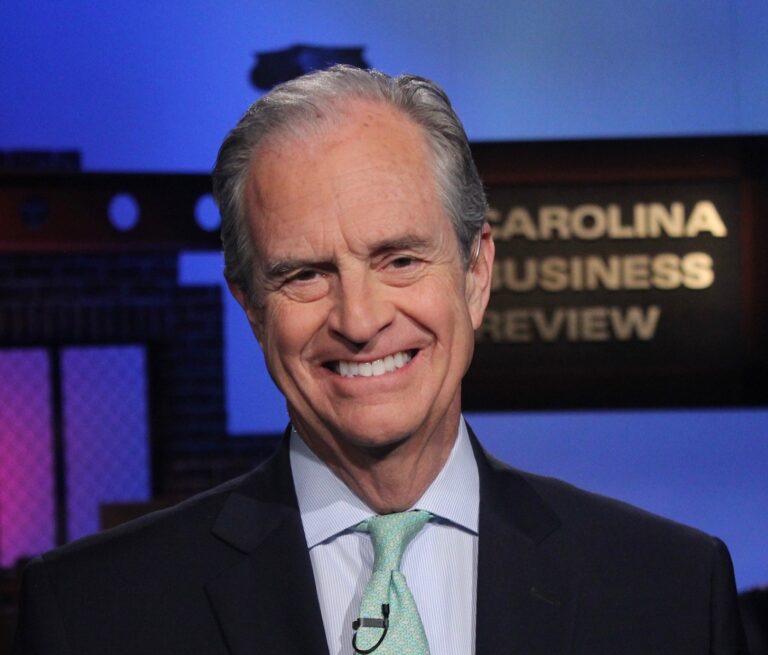
Chris William is a well-known media personality in North Carolina who launched PBS’ Carolina Business Review in 1990 as a way to initiate a public dialogue around community challenges. He served as the television program’s Moderator and Executive Producer, hosting more than 1,000 episodes that aired in 22 media markets throughout North & South Carolina. Chris now serves as a Managing Director for a major financial institution and leads a team of financial professionals to comprehensively manage families’ wealth and strategic financial direction. In addition, he annually participates and authors forums and conferences on the most acute Public Policy and Business issues.

Chris William is a well-known media personality in North Carolina who launched PBS’ Carolina Business Review in 1990 as a way to initiate a public dialogue around community challenges. He served as the television program’s Moderator and Executive Producer, hosting more than 1,000 episodes that aired in 22 media markets throughout North & South Carolina. Chris now serves as a Managing Director for a major financial institution and leads a team of financial professionals to comprehensively manage families’ wealth and strategic financial direction. In addition, he annually participates and authors forums and conferences on the most acute Public Policy and Business issues.

Rachel Wright-Junio

Director of the Golden LEAF Schools Initiative (GLSI), North Carolina Department of Public Instruction

Rachel Wright Junio serves as Director of the Golden LEAF Schools Initiative (GLSI) at the North Carolina Department of Public Instruction (NCDPI). In this role, she leads a statewide effort to strengthen educational opportunity and workforce readiness in rural and economically distressed communities. The initiative supports a network of schools through job-embedded coaching, high-quality instructional resources, and leadership development grounded in the High Reliability Schools improvement framework.  

Rachel oversees a multidisciplinary team responsible for implementation, evaluation, and strategic partnerships across participating districts. Her work focuses on helping schools build aligned systems across leadership, instruction, assessment, and career pathways that support sustainable improvement and stronger outcomes for students. 

Prior to leading the GLSI, Rachel held leadership roles within the NCDPI focused on federal programs and statewide improvement and innovation. She has extensive experience supporting districts in the strategic use of resources, data, and evaluation to accelerate learning and strengthen outcomes for underserved students. She is also a former middle school English/Language Arts teacher.  

Rachel is also a doctoral student whose work examines how evidence and policy shape decision-making in rural school systems. She is passionate about bridging research, policy, and practice to ensure innovation efforts translate into meaningful and scalable improvements for students and communities. 

Rachel Wright Junio serves as Director of the Golden LEAF Schools Initiative (GLSI) at the North Carolina Department of Public Instruction (NCDPI). In this role, she leads a statewide effort to strengthen educational opportunity and workforce readiness in rural and economically distressed communities. The initiative supports a network of schools through job-embedded coaching, high-quality instructional resources, and leadership development grounded in the High Reliability Schools improvement framework.   Rachel oversees a multidisciplinary team responsible for implementation, evaluation, and strategic partnerships across participating districts. Her work focuses on helping schools build aligned systems across leadership, instruction, assessment, and career pathways that support sustainable improvement and stronger outcomes for students.  Prior to leading the GLSI, Rachel held leadership roles within the NCDPI focused on federal programs and statewide improvement and innovation. She has extensive experience supporting districts in the strategic use of resources, data, and evaluation to accelerate learning and strengthen outcomes for underserved students. She is also a former middle school English/Language Arts teacher.   Rachel is also a doctoral student whose work examines how evidence and policy shape decision-making in rural school systems. She is passionate about bridging research, policy, and practice to ensure innovation efforts translate into meaningful and scalable improvements for students and communities. 

Related Resources & Programs

Select one of the options below to learn more about that resource, program or initiative.

Event Program

2026 North Carolina Education Innovation Lab Program

This program was originally printed and handed out at the 2026 North Carolina Education Innovation Lab on March 23, 2026, and includes an agenda and links to relevant resources for Innovation Lab guests.

Event, Policy Brief

2026 North Carolina Education Innovation Lab Conference Data & Research Brief

This conference brief provides relevant background info, data, and research and was published to support conversations held at the 2026 North Carolina Education Innovation Lab on March 23, 2026.

Event, Report

Quality Framework for Competency-Based Education Programs (C-BEN)

The C-BEN Quality Framework for CBE Programs was developed in response to a growing need for definitions of quality relating to competency-based education. Led by the C-BEN Quality Standards Task Force, this work drew from the Shared Design Elements and Emerging Practices of Competency-Based Education, and brought together leading program designers and system administrators from C-BEN institutions representing an array of models. This task force worked together over 2016 to create the first edition of Quality Principles & Standards for Competency-Based Education Programs through an iterative and inclusive process, developing principles and standards universal enough to apply to all CBE programs, regardless of model variations.

Event, Report

Report on National Approaches to Competency-Based Learning (Education Commission of the States)

This document was compiled by the Education Commission of the States shares relevant national perspectives on competency-based learning to provide context for discussions held by Lab attendees at the 2026 North Carolina Education Innovation Lab on March 23, 2026.

Website

Competency-Based Education Policy Interactive Map (FullScale & KnowledgeWorks)

This interactive map from FullScale and KnowledgeWorks examines state policy related to portraits of a graduate, also sometimes referred to as profiles of a learner. The map identifies whether a public state-level portrait exists that addresses both academic and durable skills. It also includes states that require systems to develop local-level portraits that meet similar criteria.

Data, Report

Facts & Figures: Education in North Carolina

This annual guide is designed to give you quick and easy access to key data that will support your work to improve North Carolina’s education system. Each edition of Facts & Figures is developed in partnership with dozens of stakeholders and represents the collected efforts of hundreds of hours of research, reporting, and review.

EDUCATION POLICY & LEADERSHIP

Be One of the BEST

North Carolina’s students and educators rely on private citizens and community leaders that actively participate in improving the state’s education system. Business leaders that join BEST NC are investing in the lives of North Carolinians for generations to come.