

The North Carolina
Teaching Fellows Program
Published 2024 | BEST NC
The North Carolina Teaching Fellows Program was created in 1986 to provide forgivable loan scholarships to teacher candidates attending 17 public and private educator preparation programs across the state. The program graduated 400–500 Teaching Fellows each year and recipients agreed to teach in North Carolina public schools for four years in exchange for having their loans forgiven. A 2012 evaluation of the program found that Teaching Fellows graduates stayed in the profession longer than other teachers, but were more likely to work in lower poverty schools.
After funding for the program was discontinued in 2012, the program was reestablished in 2017 with an emphasis on hard-to-staff subject areas (originally STEM and Special Education, with elementary education added beginning with the 2024–25 cohort) and high-need schools. Under the new version of the program, Teaching Fellows participants receive up to $5,000 per semester for tuition, books, and fees at one of ten North Carolina educator preparation programs selected by the Teaching Fellows Commission. Funds may now be used for undergraduate, graduate, or licensure-only educator preparation programs and loan forgiveness is accelerated when candidates work in low-performing schools.
Between 2018–19 and 2022–23, the New Teaching Fellows Program awarded scholarships to 559 participants, resulting in 217 graduates.
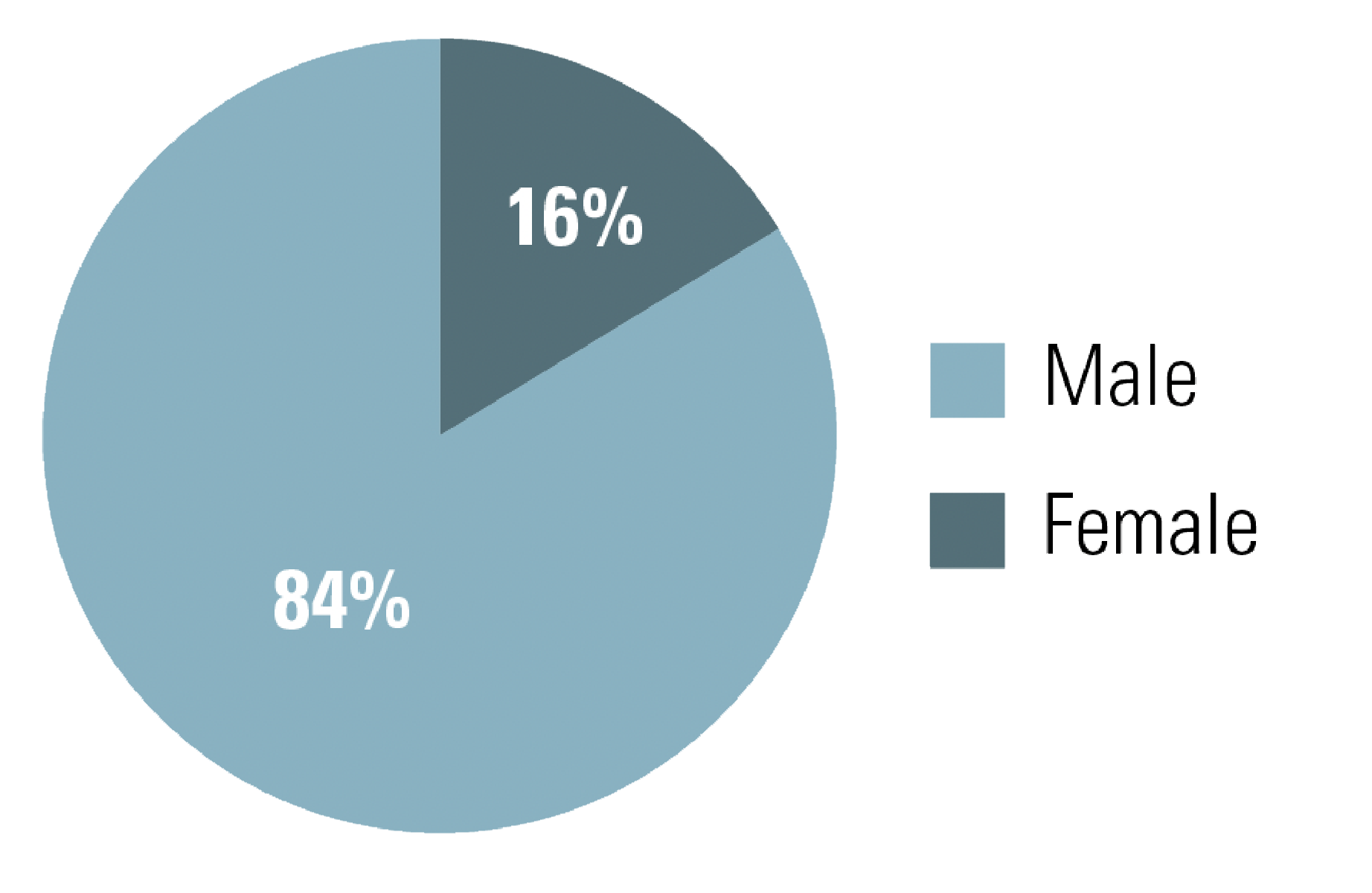
Figure 1: NC Teaching Fellows Program Participants, by Gender (2018–19 to 2023–24) |
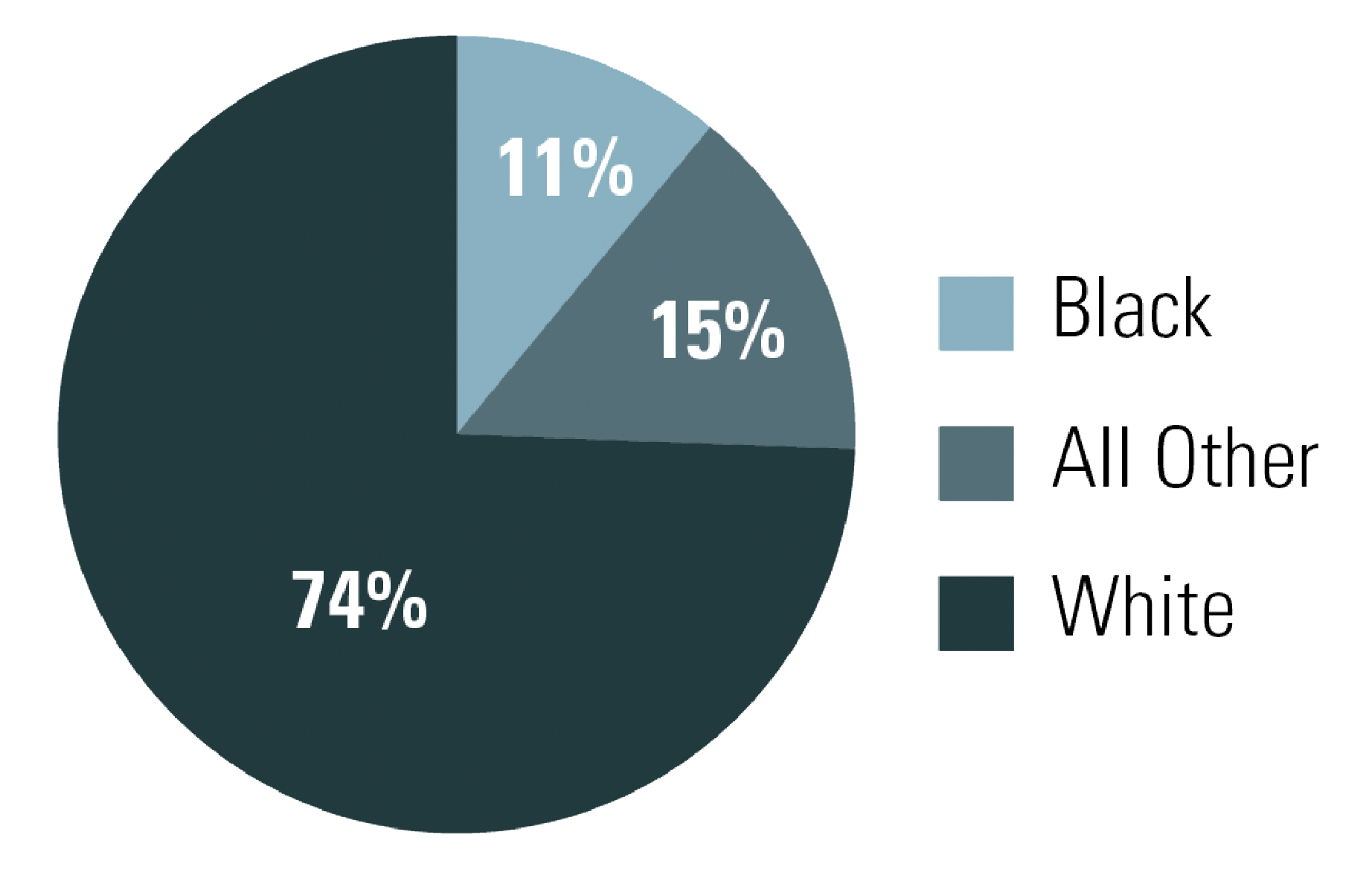
Figure 2: NC Teaching Fellows Program Participants, by Race/Ethnicity (2018–19 to 2023–24) |
|
Of the 217 program graduates to date, 167 are teaching in a North Carolina public school in a qualifying licensure area (15 of these graduates participated in the program but did not take scholarship funding). Twenty-two percent of these are receiving accelerated loan forgiveness by working in a school that is designated as low-performing. |
Of the 217 Teaching Fellows graduates to date:
|
An additional 66 graduates (30%) have chosen not to teach and are in cash repayment for their loans. Graduates who choose cash repayment must pay back interest accrued since the date they received their scholarship. The relatively high rate of cash repayment suggests that more support and/or policy changes may be needed to retain Teaching Fellows participants in the teaching profession during their service-based repayment period and beyond.
North Carolina Teaching Fellows Program
About This Series
This post is part of BEST NC’s 2024 Facts & Figures: Education in North Carolina Spotlight On: series. View the full report at NCEdFacts.org or visit BESTNC.org.